Choosing the right number of local phone numbers for your business is more strategic than many companies realize. Whether you run a small startup or a growing organization the number of phone lines you use can impact customer experience, marketing insights, team productivity and operational costs.
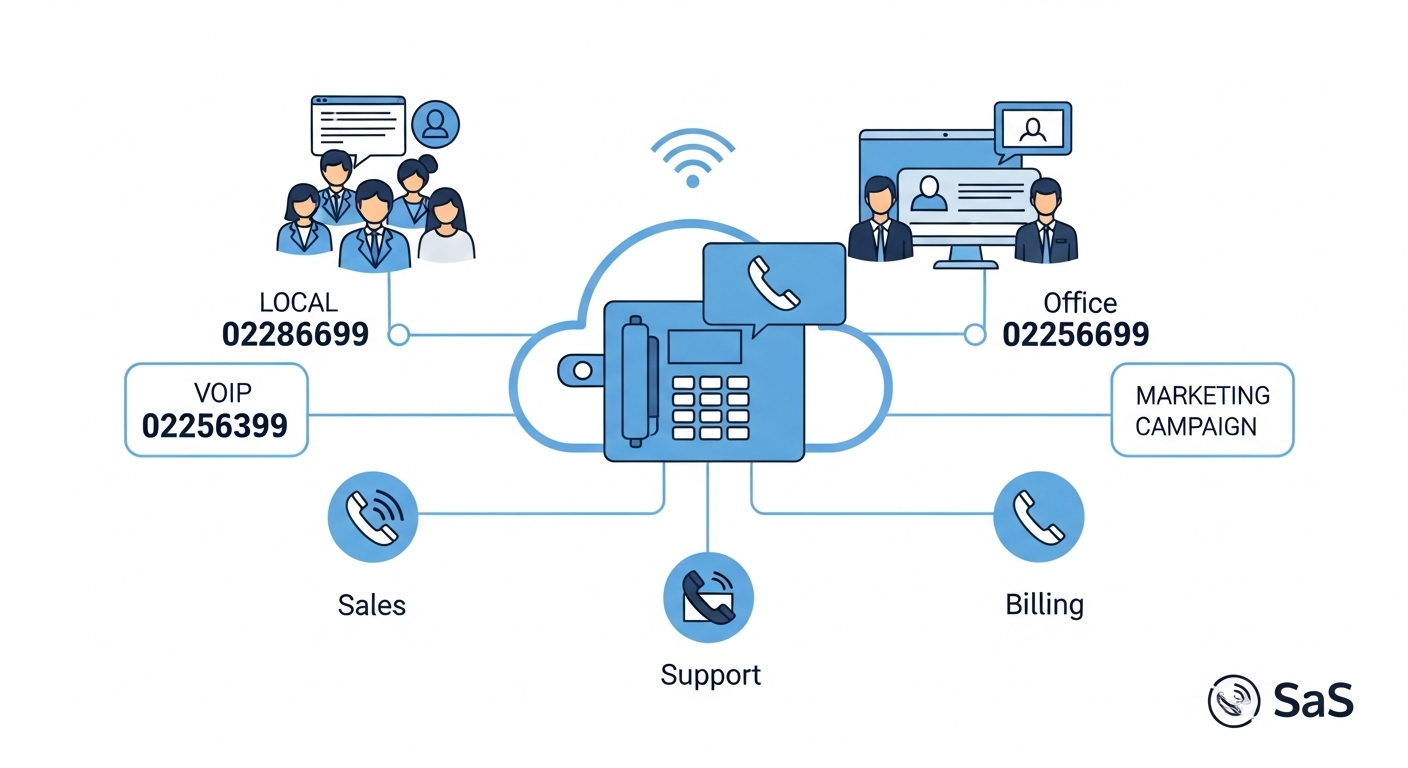
With modern VoIP and DID (Direct Inward Dialing) solutions businesses are no longer limited to a single office phone line. Platforms like Contactivity.io make it easy to deploy multiple local numbers for departments employees and marketing campaigns without the complexity of traditional phone systems.
So how many local numbers does your business actually need? Let’s break down the key factors to consider and how to build an effective local number strategy.
Why Businesses Use Multiple Local Numbers
In the past companies often relied on a single main phone line. Today businesses increasingly use multiple local numbers to improve accessibility organization and analytics.
Here are some common reasons:
1. Department Specific Phone Lines
Assigning dedicated numbers to departments helps route calls quickly and reduces customer frustration.
Examples include:
- Sales inquiries
- Customer support
- Billing questions
- Technical assistance
Instead of routing every call through a single receptionist or IVR system customers can directly reach the department they need. This improves efficiency and shortens response times.
2. Direct Lines for Employees
Another common strategy is assigning direct local numbers to key employees.
Direct lines are useful for:
- Sales representatives
- Account managers
- Customer success managers
- Executive contacts
When customers can reach the same representative directly it strengthens relationships and builds trust. It also eliminates unnecessary call transfers.
With a VoIP based system like Contactivity.io these direct numbers can ring on desk phones mobile devices or softphones simultaneously.
3. Marketing Tracking Numbers
One of the biggest advantages of using multiple local numbers is call tracking for marketing campaigns.
Businesses often assign unique numbers to different marketing channels such as:
- Google Ads campaigns
- Facebook or social media ads
- Website landing pages
- Print advertising
- Local SEO listings
By doing this companies can measure which campaigns are actually generating phone calls and leads.
For example if one number receives significantly more calls than another you immediately know which marketing channel is working best.
This approach helps businesses optimize advertising budgets and improve return on investment.
4. Local Presence in Multiple Markets
If your business serves multiple cities or regions using local numbers in each area can increase customer trust and response rates.
Customers are often more comfortable calling a number that appears local to their area.
For example a company serving multiple regions might use:
- One number for New York
- One for Chicago
- One for Los Angeles
All calls can still route to the same team but the local presence increases the likelihood that potential customers will reach out.
A Simple Framework: How Many Numbers You Actually Need
While every business is different most companies fall into one of these practical tiers.
Small Businesses (1–10 employees)
Typical setup:
- 1 main business number
- 1 sales number
- 1 support number
Total recommended numbers: 3–5
This allows basic department separation while keeping costs low.
Growing Businesses (10–50 employees)
Typical setup:
- 1 main company number
- Department numbers (sales support billing)
- 3–10 employee direct lines
- Marketing tracking numbers
Total recommended numbers: 10–25
At this stage direct employee access and marketing analytics become more important.
Larger Businesses (50+ employees)
Typical setup:
- Multiple department numbers
- Individual direct lines for key staff
- Numbers for each marketing campaign
- Numbers for each geographic market
Total recommended numbers: 25+
Large organizations often use dozens or even hundreds of DIDs depending on their call volume and marketing scale.
Cost Considerations for Multiple Local Numbers
Some businesses hesitate to add numbers because they assume the cost will increase significantly. In traditional telecom systems adding lines often required new hardware and complicated installations. Cloud based VoIP systems have changed that model.
Today additional local numbers are generally inexpensive and easy to deploy. More importantly the benefits often outweigh the cost. Businesses gain clearer marketing insights better call routing and improved customer experience. When customers can reach the right person quickly and marketing campaigns can be accurately measured the value of additional numbers becomes clear.
Building a Smart DID Strategy
When planning how many numbers to deploy it helps to create a structured DID strategy.
A good approach includes:
- Core Business Numbers
- Main company number
- Sales
- Support
- Employee Direct Lines
- Key team members
- Sales reps
- Account managers
- Marketing Tracking Numbers
- Each major campaign
- Website vs. paid ads
- Offline marketing
- Regional Presence Numbers
- Cities or markets you serve
- Expansion areas
This layered approach ensures your phone system grows with your business.
How Contactivity.io Simplifies Local Number Management?
Managing multiple local numbers used to require specialized telecom expertise. Modern cloud platforms remove that complexity by centralizing everything in one interface.
Contactivity.io allows businesses to quickly add new local numbers, assign them to departments or employees and configure intelligent call routing. Companies can also track call activity from different marketing campaigns and adjust their strategy based on real performance data.
Because the system is cloud based businesses can scale their communication infrastructure as they grow without replacing hardware or rebuilding their phone system.
Final Thoughts
The number of local phone numbers your business needs depends on how you organize customer communication, manage internal teams and track marketing performance. What starts as a single business number can evolve into a structured system that supports department employees and multiple campaigns.
By adopting a thoughtful local number strategy businesses can improve customer access, gain better marketing insights and create a more professional communication experience.
Instead of asking whether your company needs multiple numbers the better question may be how those numbers can work together to support long term growth.
FAQs
How do marketing tracking numbers work?
Marketing tracking numbers are unique phone numbers assigned to different advertising channels such as Google Ads, social media campaigns, or print ads. When a call comes in, businesses can see which campaign generated the lead and measure marketing performance.
Do multiple business phone numbers increase costs significantly?
With cloud-based VoIP services, additional local numbers are usually inexpensive. The cost is typically minimal compared to the benefits of improved call management, better marketing attribution, and enhanced customer accessibility.
Should each employee have their own direct phone number?
Providing direct numbers for key employees such as sales representatives or account managers can improve customer relationships and response times. However, not every employee needs a direct line. Businesses typically assign them to roles that interact frequently with customers.
Can I use local phone numbers for different cities even if my business is in one location?
Yes. Many businesses use local numbers for multiple cities to create a local presence. Calls from these numbers can still be routed to the same office or team, making it easier to serve customers in different regions.